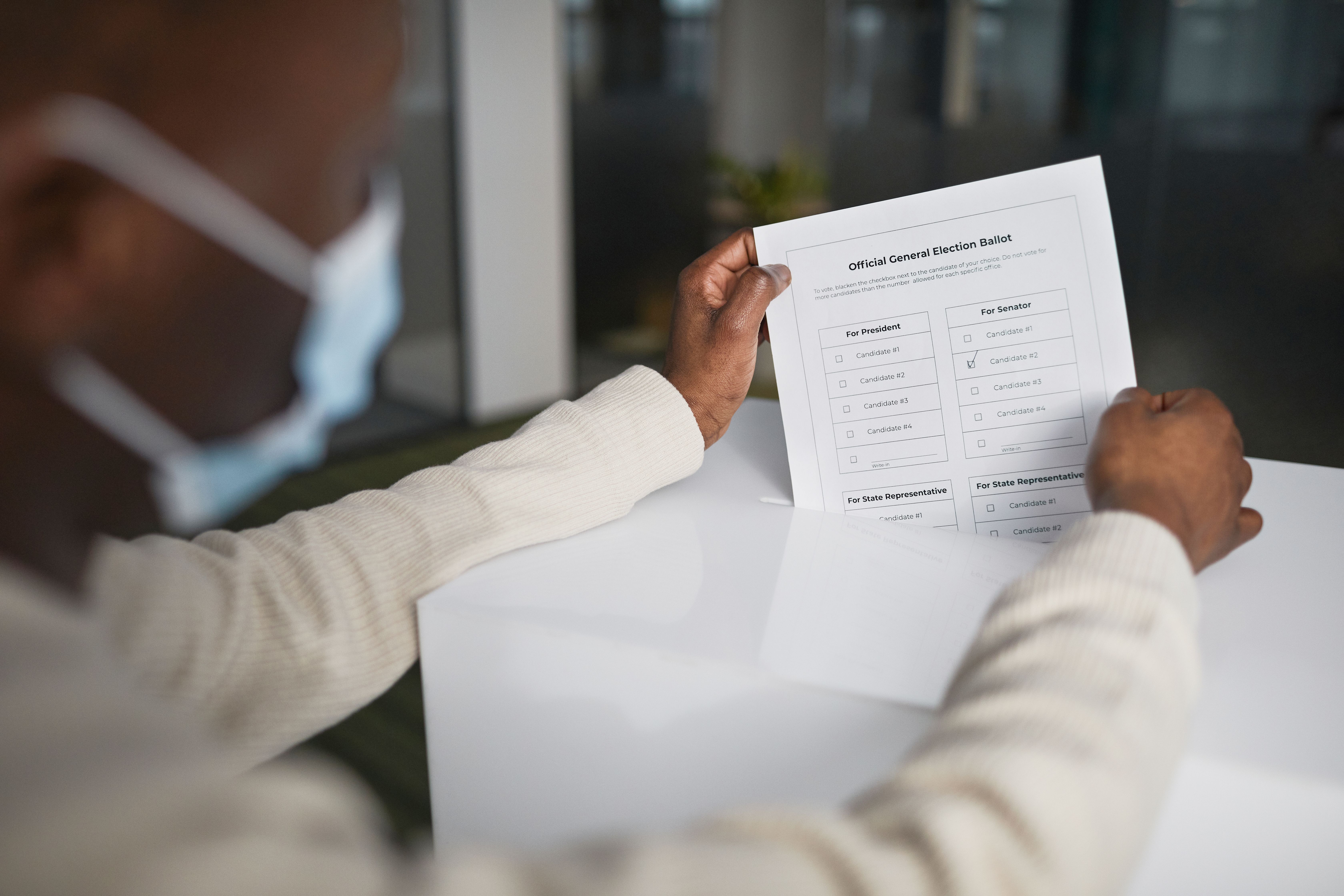
Nigeria’s next election should be about the everyday
My view is simple: an election matters most when it helps people judge the things they live with every day. The speeches and campaign crowds may fill the headlines, but the real test is whether leaders can explain how their choices will make life safer, fairer, and more manageable.
That means asking practical questions. What will a candidate do about the cost of getting food to market? How will they make schools and clinics work better? What can they realistically change in their first year, and how will the public know whether they have done it? A promise is easy to make. A clear plan, a public record, and an honest account of trade-offs are harder—and more useful.
I also think voters deserve attention beyond the presidential race. State and local decisions shape daily services, roads, classrooms, and the way public money reaches communities. The people running for those offices should face questions just as specific as the people seeking national power.
No candidate will have a perfect answer to every problem. That is why character matters alongside policy: whether someone can admit limits, explain a change of course, and answer criticism without treating citizens as enemies. Democracy is not only the moment of voting. It is also the habit of asking, checking, and expecting a reply after the campaign has moved on.

I would listen especially carefully when a candidate talks about the pressure on household budgets. “We will make life affordable” is a hope, not yet a plan. I want to hear what government can actually change, what may take time, who could be hurt by a policy, and how leaders would explain the trade-offs. A serious answer may be less exciting than a slogan, but it gives people something real to examine.
The same standard should apply to promises about safety. People need to know not only that a candidate wants safer communities, but how they would work with local leaders, improve public trust, and protect people’s rights while responding to threats. Strong leadership is not just sounding tough. It is showing care for the people who bear the cost when institutions fail.
I also believe the way we talk to one another during an election matters. Political disagreement is normal; turning neighbours into enemies is a choice. Before passing along a dramatic claim, I would want to know where it came from and whether the evidence supports it. A calmer public conversation makes it easier to challenge leaders without losing sight of our shared stake in the country.
And the work cannot stop when the votes are counted. Whoever wins should expect citizens to keep asking questions, while those who lose still have a role in holding power to account. Listening sessions, public records, independent journalism, community groups, and ordinary conversations can all help keep promises visible. Participation is not a single day on a calendar; it is a relationship that needs attention between elections too.
My hope is that Nigeria’s election conversation makes room for that kind of scrutiny. Less noise about who looks inevitable; more attention to what each person proposes, what they have already done, and how ordinary people can hold them to their word.
Editor’s note: This is an opinion piece, not a news report or endorsement of any candidate or party.